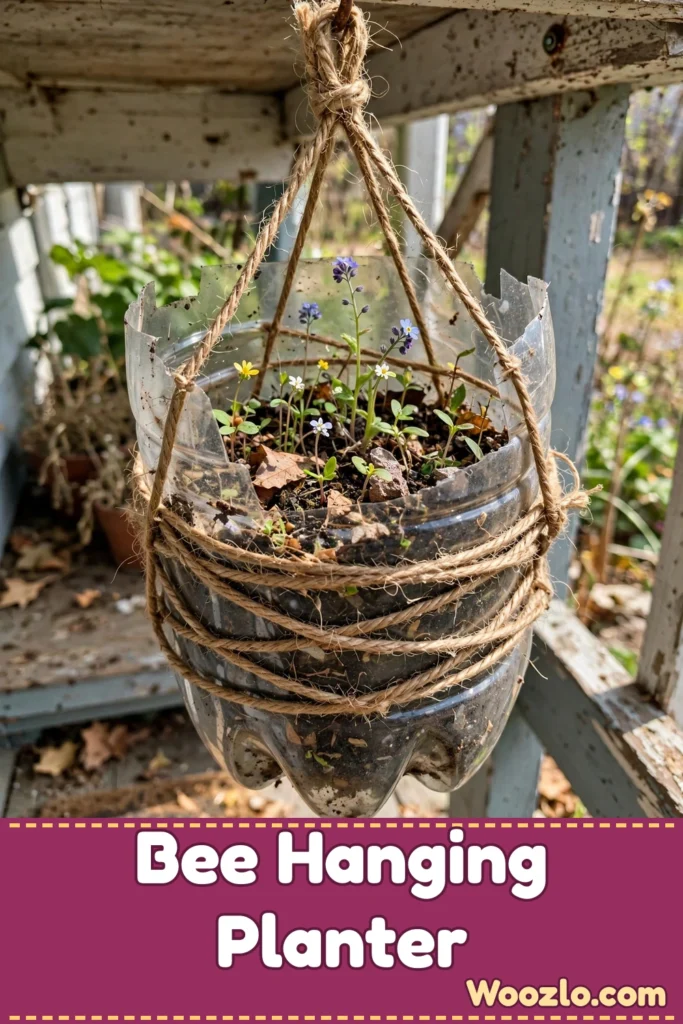
Build a Charming DIY Bee Hanging Planter from a Bottle
Got an empty plastic bottle heading for the recycling bin? Hold on to it — this weekend we’re turning it into a hanging planter that gives bees a place to snack. It’s one of those projects that’s useful, thrifty, and genuinely good for the environment, all in about half an hour of actual work.
The build is straightforward: cut a bottle, add drainage, fill with soil, plant wildflower seeds, and hang it where it’ll get sun. The waiting is the fun part — in a week or two you’ll see green shoots, and soon after, bees showing up like regulars at a diner.
What You’ll Need
- Clean plastic bottle (any size works)
- Sharp scissors or utility knife
- Potting soil (soft and rich)
- Seeds (wildflowers or plants that attract bees)
- Natural twine or jute rope (to hang your planter)
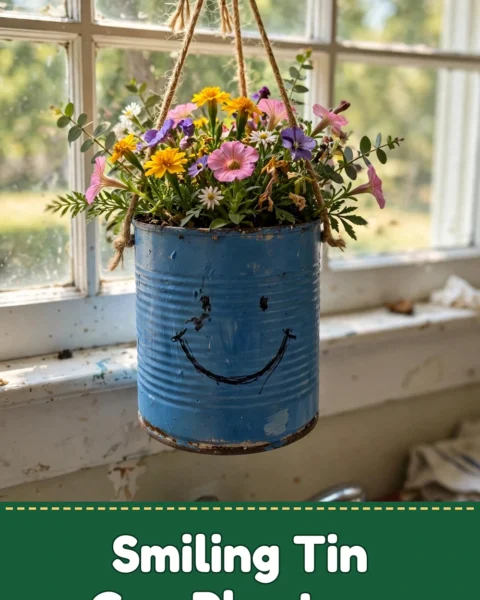
- Paint (optional, for a personal touch)
- Paintbrush (if using paint)
- Small stones or gravel (for drainage)
- Dish or plate (to catch excess water)
Step 1: Rinse the Bottle
Begin by carefully rinsing your plastic bottle. Take a moment to appreciate the transition from an ordinary item to something meaningful.
Step 2: Cut the Bottle
Using your scissors, cut through the bottle about halfway up. Feel the steady resistance as the blade meets the plastic.
Step 3: Set Up Your Pieces
Once cut, the top part can serve as a funnel — save it for later. The bottom section will become your planter.
Step 4: Add Drainage
Place small stones or gravel at the bottom of the plastic bottle. This creates drainage for excess water, keeping the roots healthy and preventing soil from spilling out.
Step 5: Fill with Soil
Gently fill the container with potting soil, leaving some space at the top for your seeds. The earthy scent of fresh soil is half the pleasure here.
Step 6: Sprinkle the Seeds
Sprinkle the seeds evenly onto the soil. Picture the vibrant blooms that will attract bees and other pollinators once they grow.
Step 7: Cover and Pat
Cover the seeds lightly with more soil, and give them a gentle pat. This is a comforting, grounding movement — connecting you to the earth.
Step 8: Water and Place in Sun
Water your new planter carefully and place it in a sunny spot to help the seeds sprout.
Step 9: Hang It
Take your twine or jute rope and cut a length that will allow you to hang your planter securely. Wrap it around the planter, tying a knot that feels snug yet gentle.
Step 10: Admire Your Work
Step back and admire your work. You’ve created a safe haven for bees while embracing your creativity — a vibrant addition to your porch, balcony, or garden.
Storing and Reusing
If you need to set your planter aside for a time, store it in a cool, dry place away from direct sunlight to keep the soil intact. To reuse the bottle later, just rinse and dry it thoroughly. When the flowers have finished blooming, refresh the soil and add new seeds, or repurpose the materials for another creative project.
Make It Your Own
- Paint it: Soft colors on the outside transform simple plastic into a lovely accent.
- Let the kids choose the seeds: Enjoy together the anticipation of watching those blooms attract busy bees.
- Add herbs: Their scent uplifts your spirits while still providing a home for beneficial insects.
- Make a sign: Write down the plant names or a simple note about caring for the environment.
- Check in regularly: Revisit every few weeks, check on its growth, and share a moment of appreciation for the process.
Quick Questions
How do I prevent soil from spilling out? The stones or gravel at the bottom create essential drainage while keeping roots healthy.
Can I use a different container? Absolutely — old buckets or tins work too, just make sure they have drainage holes.
What if I don’t have twine? Any string works, even old shoelaces. The key is securing the planter gently.
How long until seeds sprout? Most seeds emerge within 1–3 weeks. Keep the soil moist during that time.
What if the bees don’t come? Be patient — sometimes it takes a while. You can also add more flowers or vary the seed types to attract different pollinators.
The Payoff
Watching the flowers bloom brings joy and serenity, connecting you to the natural world. The gentle hum of bees visiting your planter becomes a soundtrack to your days — a reminder that even small creations have a purpose, and that your actions can positively impact the environment.